
2000 BC
Clay tablets were used to record information, particularly accounts and narratives.



Books are essential pillars of our civilization, playing a crucial role in preserving culture and transmitting knowledge. They are indispensable for learning and personal growth, shaping our collective identity and understanding of the world.

In a constantly evolving world, books remain a fundamental anchor for culture. They preserve the history and values that have shaped our civilization, offering invaluable access to essential ideas and reflections. As receptacles of knowledge, books foster learning, encourage critical thinking, and stimulate imagination.
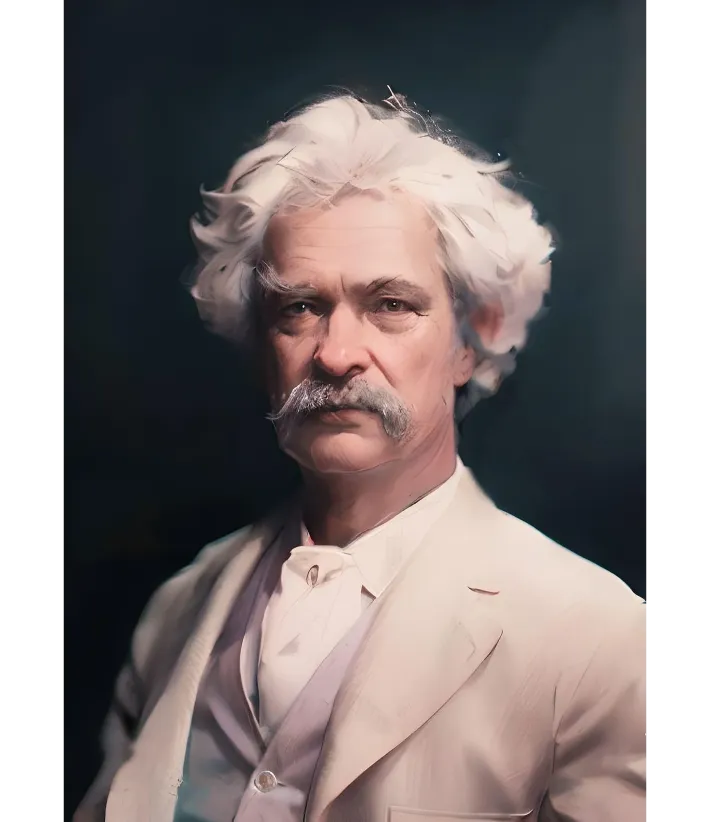
According to writer and literary critic Mark Twain: Books are the best company.
This quote highlights
the intimate relationship we have with books, which accompany us in our quest for knowledge. In a context
where information is easily accessible, it is vital to remember that books allow for deep immersion, offering
a space for personal reflection.
Reading also plays a crucial role in the formation of an enlightened society. By enriching our culture, books help us understand contemporary issues and navigate the challenges of modern life. They are powerful tools for promoting empathy and tolerance, exposing readers to different experiences and perspectives.
To learn more about the importance of books, visit: the BNF page.
Books have evolved in various forms over the centuries, bearing witness to humanity's history and its constant need for knowledge.
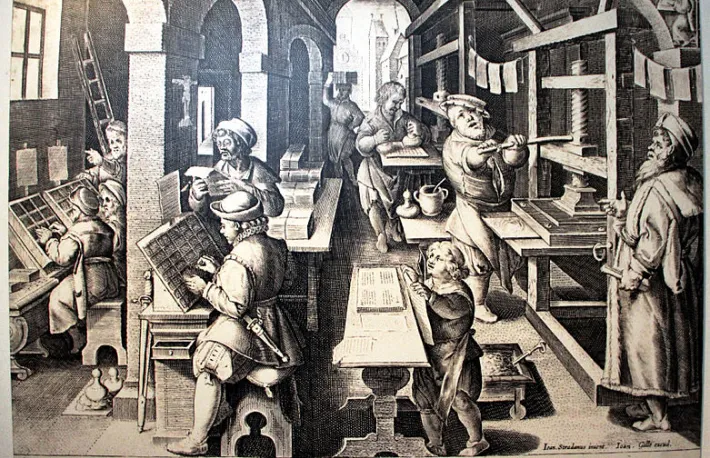
The evolution of books is a fascinating story marked by significant milestones. From the clay tablets of antiquity to Gutenberg's printing press, each stage has reinforced the presence of books in society. The invention of the printing press in the 15th century revolutionized access to knowledge, making books more accessible and contributing to the flourishing of ideas during the Renaissance.
Today, books exist in various forms, from printed formats to e-books and audiobooks. This diversity illustrates the adaptability of books in the face of technological and cultural changes. Their ability to reinvent themselves while preserving their essence as vehicles of knowledge and learning remains a remarkable aspect of their history.
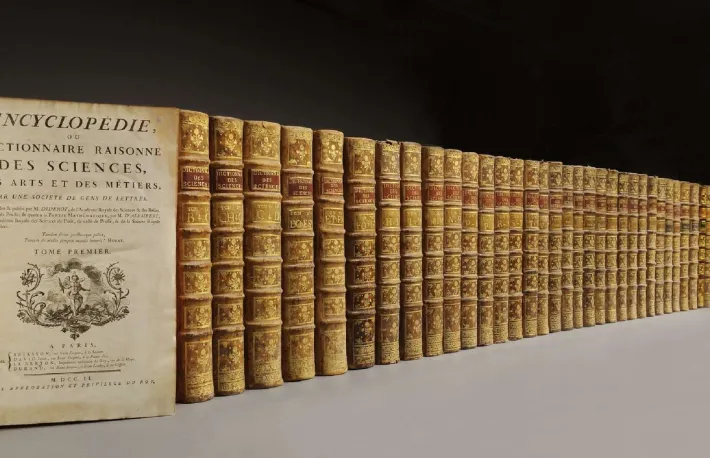
Books continue to play an essential role in the transmission of culture and knowledge. Their presence, whether physical or digital, is crucial for ensuring the sustainability of our cultural heritage.
Clay tablets were used to record information, particularly accounts and narratives.
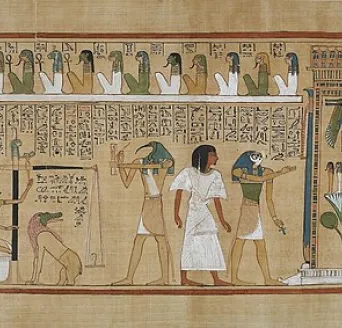
Development of papyrus as a writing material, replacing clay tablets.

Use of parchment (animal skin) as a durable writing material, allowing better preservation.
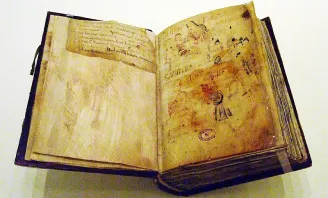
Emergence of the codex, a book made of folded sheets, replacing papyrus scrolls.
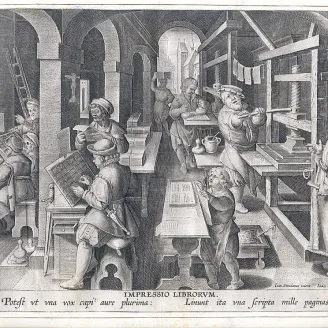
Invention of movable type printing, revolutionizing book production and making writing more accessible.

Beginning of the digital era with the creation of e-books and audiobooks, offering new ways to read.
To learn more about the evolution of books, visit: the Wikipedia page.